

 Phoenix, AZ
11 cars available in Phoenix
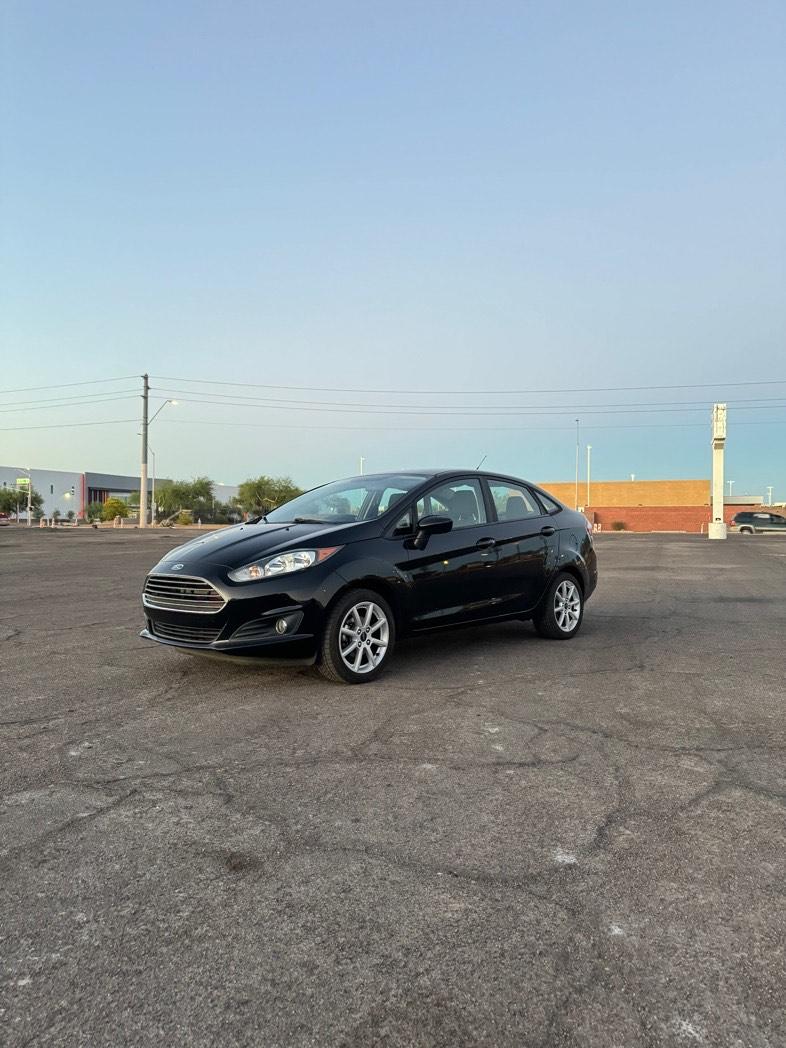
Phoenix, AZ
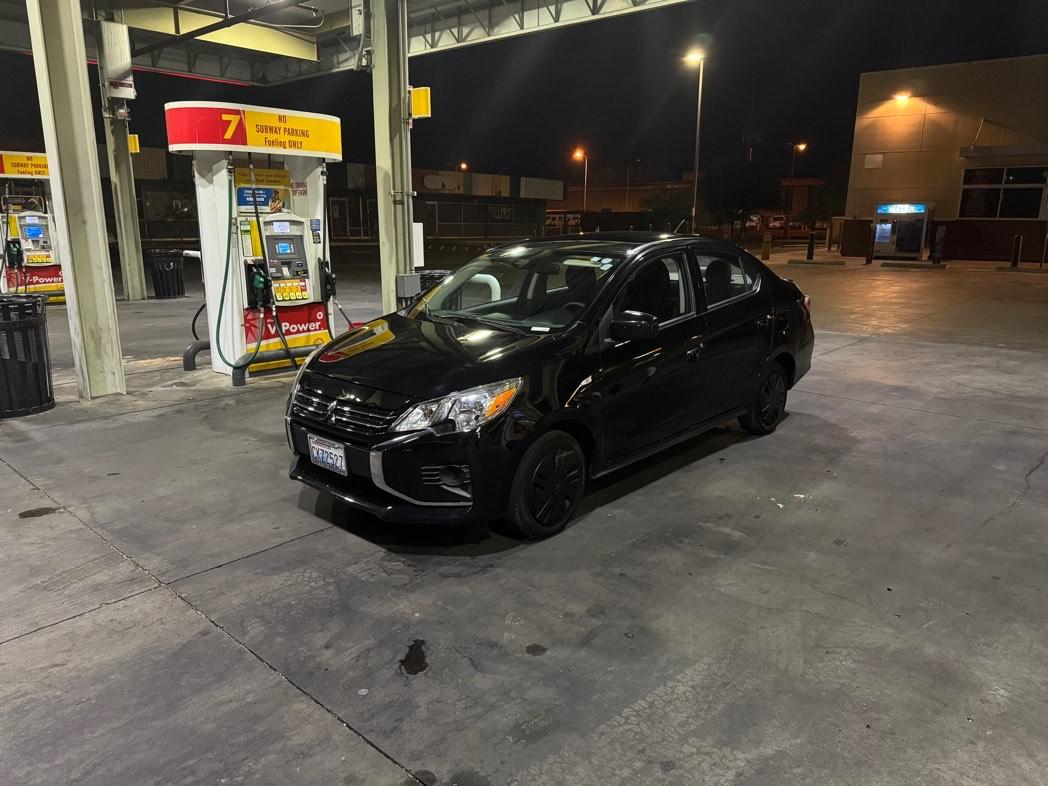
Phoenix, AZ
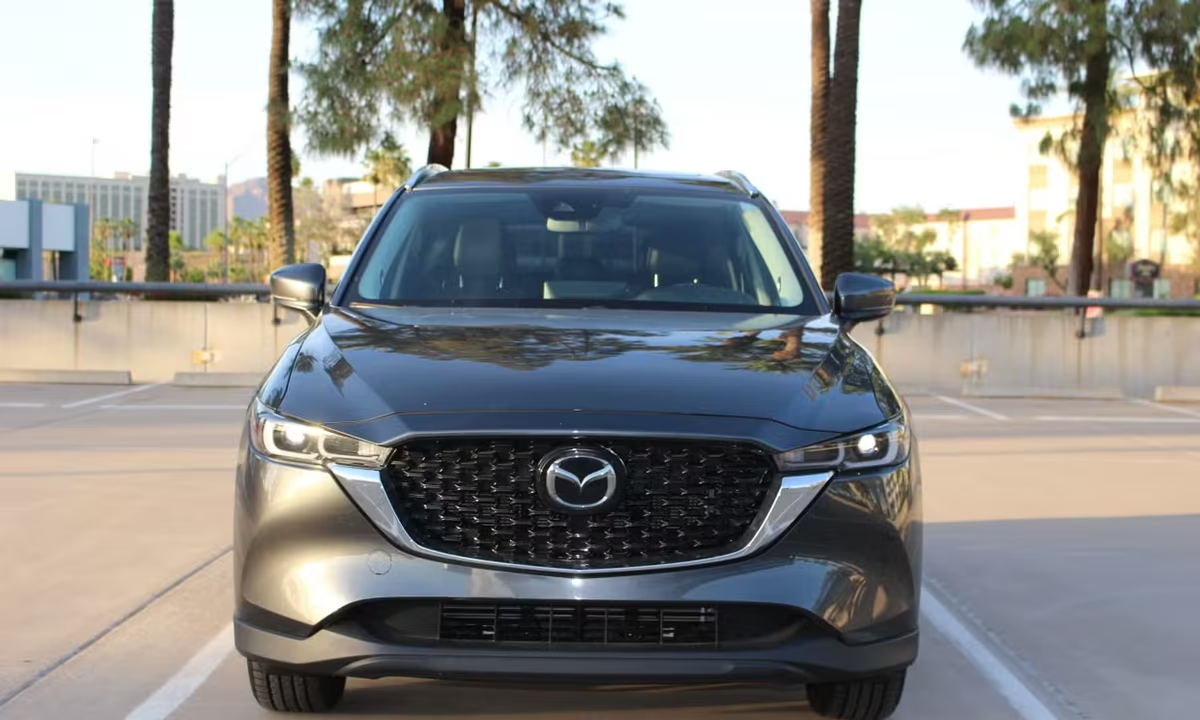
Phoenix, AZ
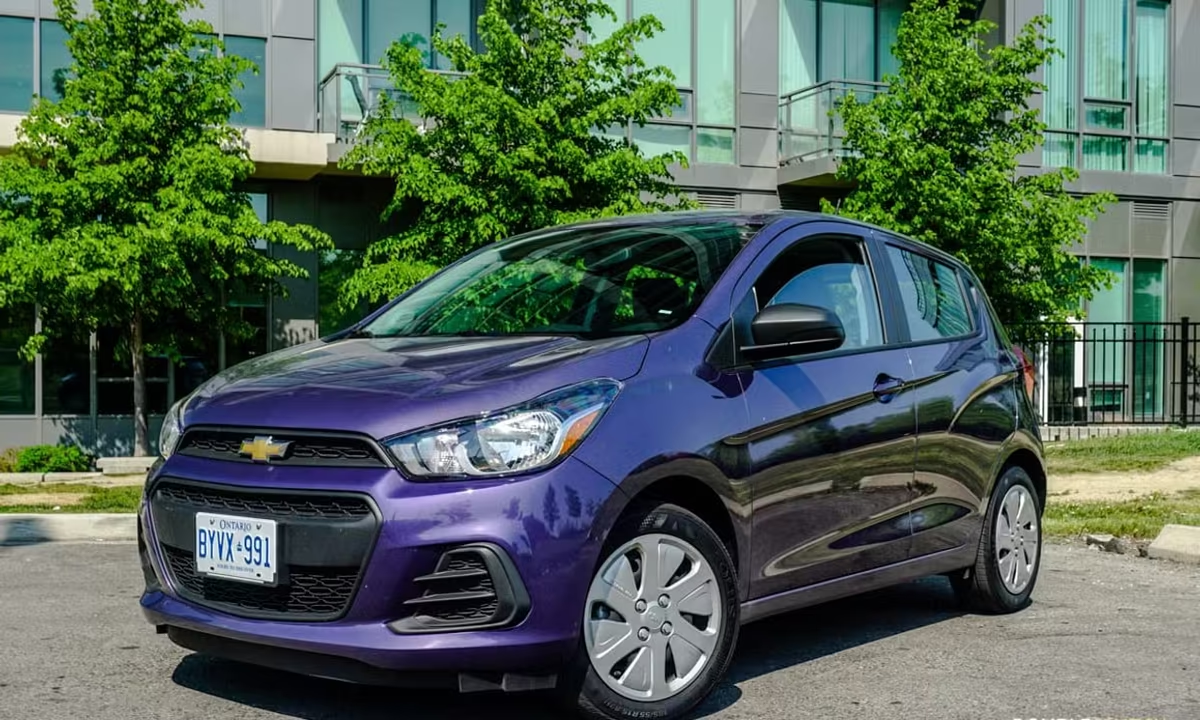
Phoenix, AZ
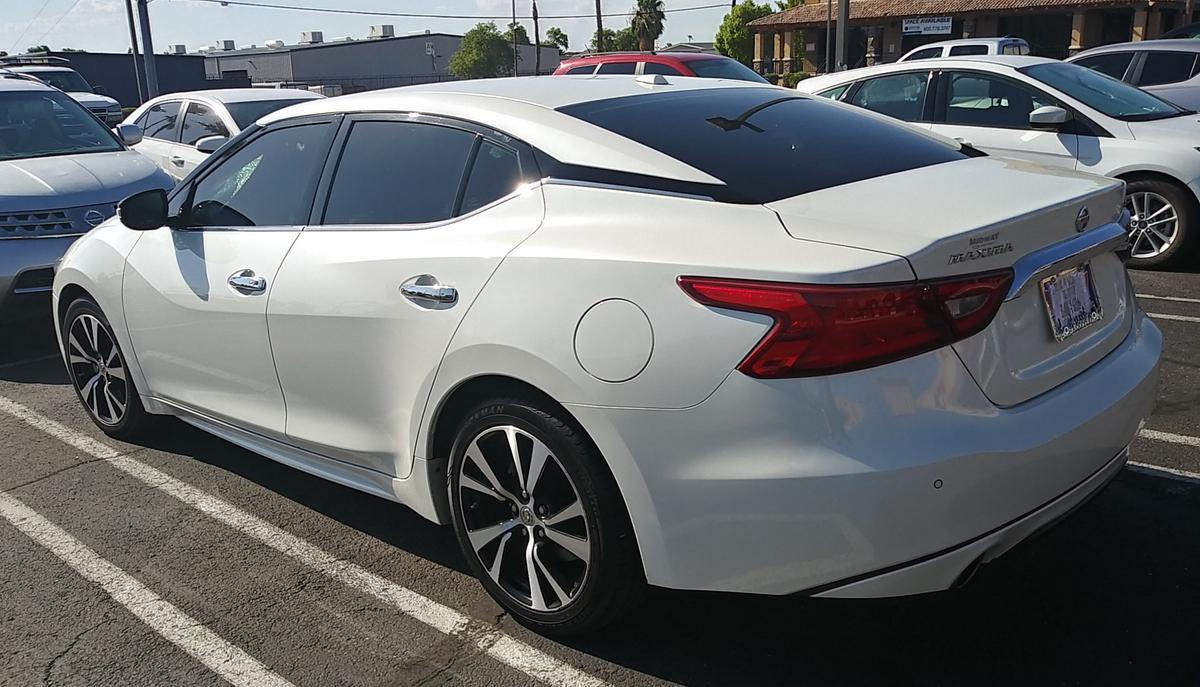
Phoenix, Arizona
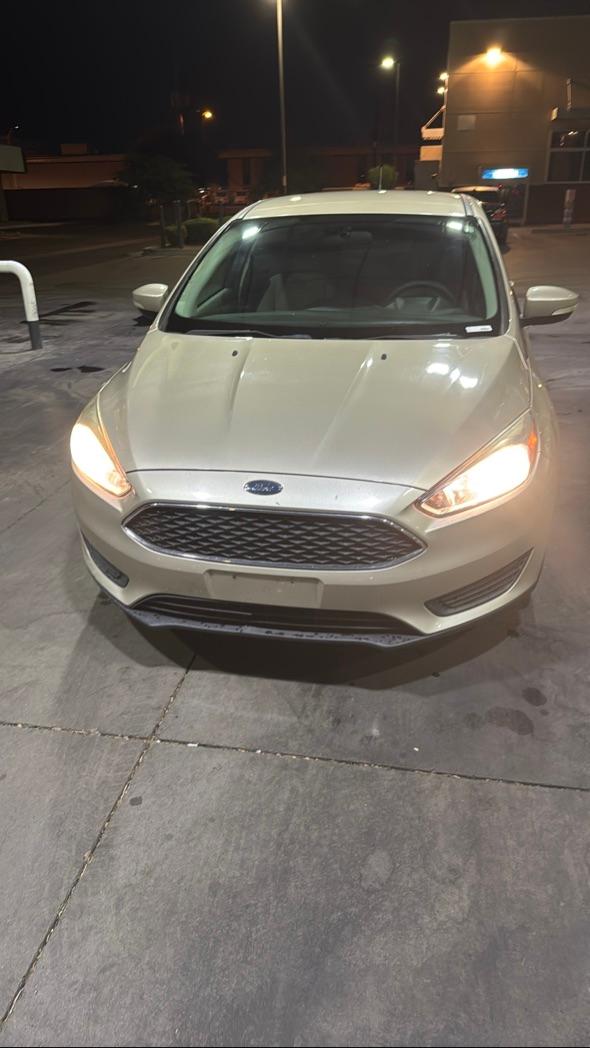
Phoenix, AZ
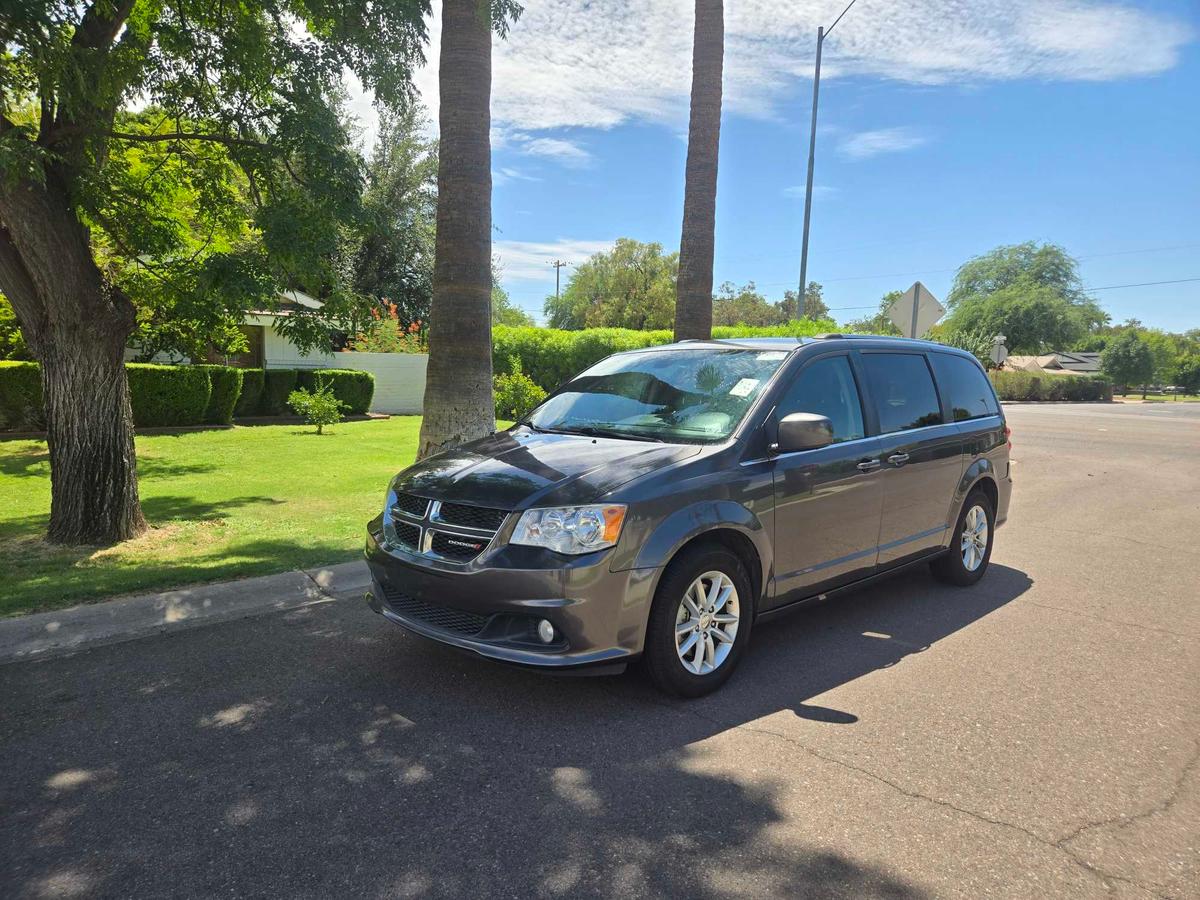
Phoenix, Arizona
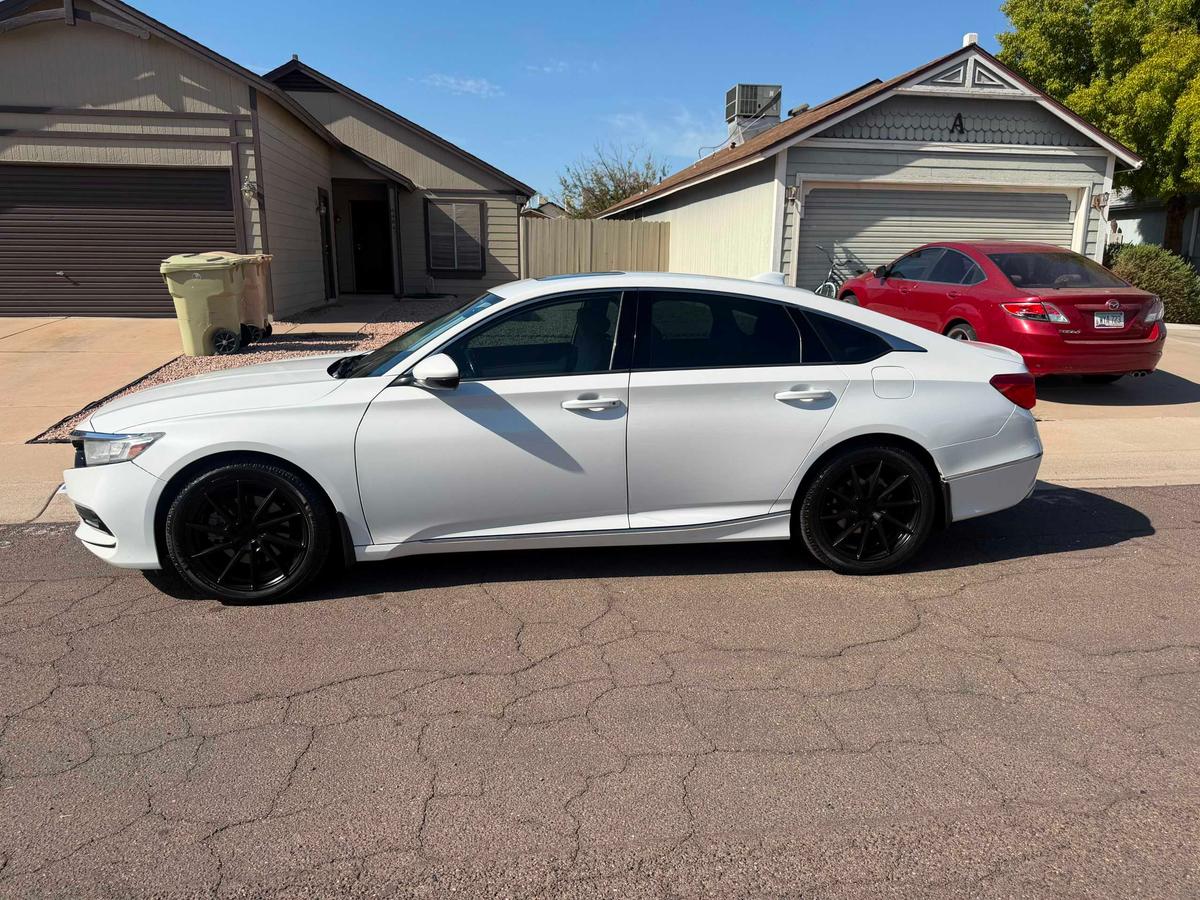
Phoenix, Arizona
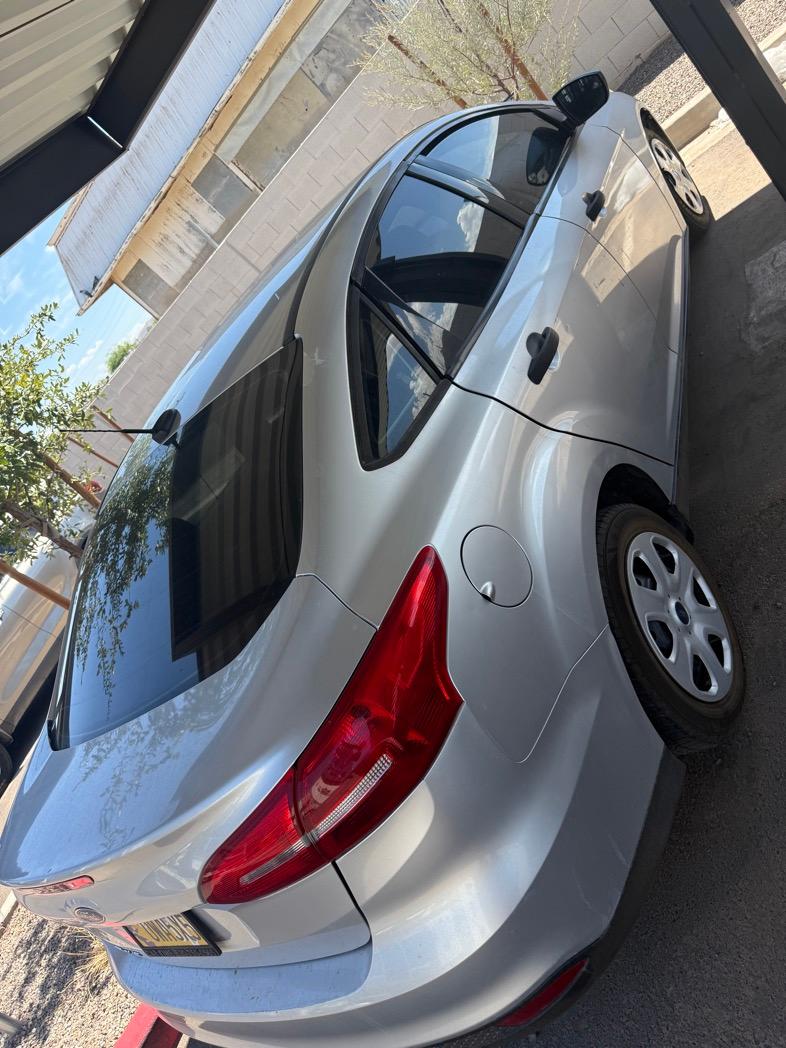
Phoenix, AZ
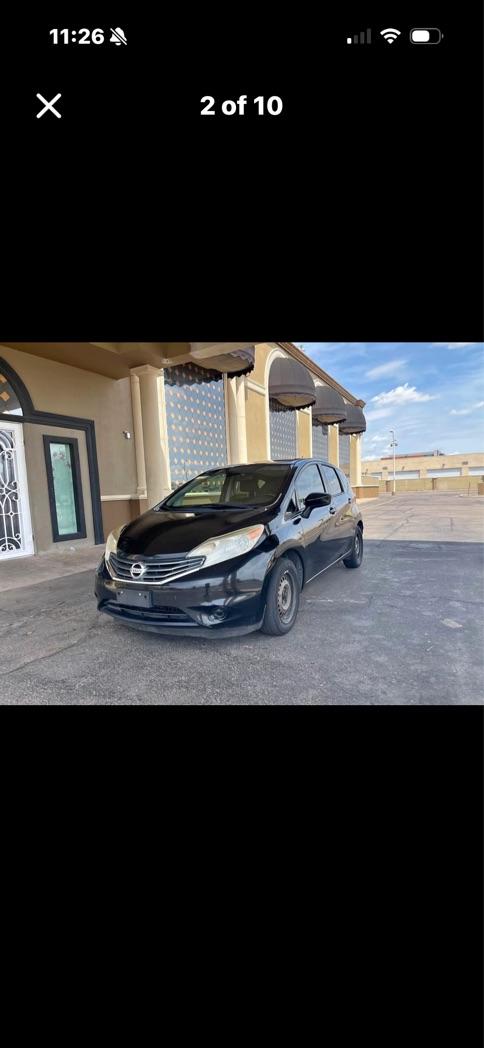
Phoenix, AZ
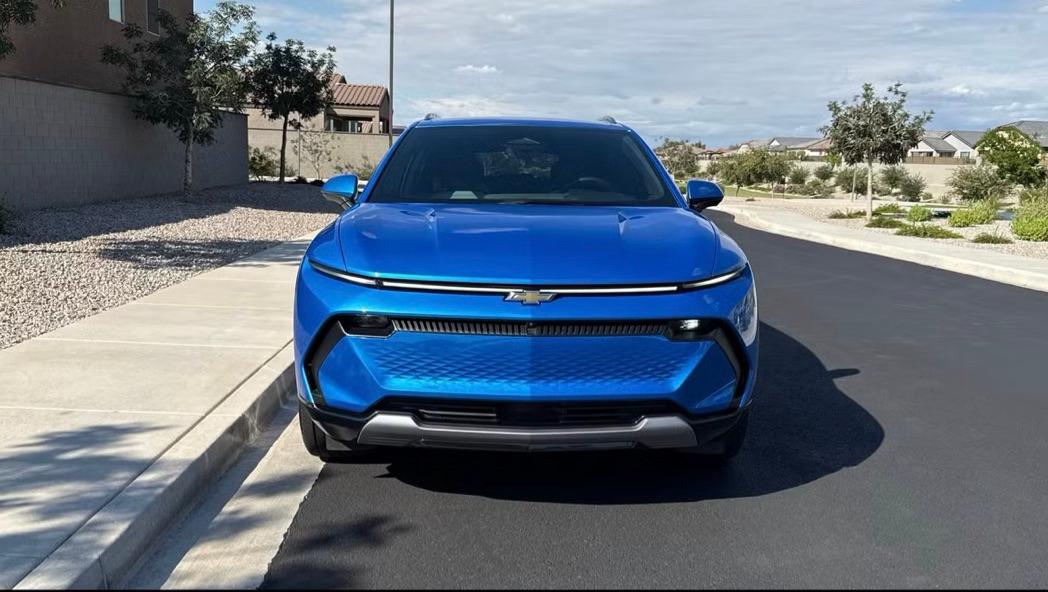
Phoenix, AZ
Phoenix is a car town. The Valley of the Sun sprawls across more than 500 square miles, the light rail only connects a narrow spine from north Phoenix to Mesa, and nothing worth doing — Sedona's red rocks, the Grand Canyon rim, a Cactus League game in Scottsdale, a TSMC meeting in north Phoenix, a tee time in Troon — happens without a vehicle. Upcar is a peer-to-peer car rental marketplace that connects you directly with Phoenix residents who rent their personal cars. You browse real listings from real hosts, message them in the app, pay through Stripe, and pick up a car that usually lives two exits from where you're staying.
Phoenix Sky Harbor (PHX) is the 10th-busiest airport in the U.S. and every major rental chain funnels arrivals into one consolidated [Rental Car Center](https://www.skyharbor.com/ground-transportation/rental-cars/) on East Sky Harbor Circle. You ride the PHX Sky Train, wait in a counter line, get upsold on insurance, and sometimes walk out to a row that doesn't have the class you booked. Upcar hosts work differently. Many offer delivery straight to the PHX curb or a nearby cell-phone lot; others meet you at Mesa Gateway (AZA) if you flew in on Allegiant. Delivery terms vary by host — some include it within a radius, others charge a flat fee — and it's all visible on the listing before you book. If you'd rather Uber to a host's driveway in Arcadia or Tempe, that usually saves you the most money.
Most Phoenix-area listings come from a handful of zip codes: Old Town and North Scottsdale (luxury, convertibles, exotics around the Scottsdale Airport corridor), Tempe near ASU (daily drivers and compact SUVs rented by students and grad-school hosts), Arcadia and Biltmore (mid-range sedans and crossovers), Chandler and Gilbert (family SUVs, often from commuter hosts), Mesa (budget-friendly and close to AZA and spring training fields), Glendale (good for State Farm Stadium and Westgate events), and Paradise Valley (higher-end SUVs for resort guests at the Phoenician or Sanctuary). Filter by neighborhood on Upcar and you'll see which hosts are actually a short drop from where you're staying.
Phoenix demand is seasonal in a way most rental markets aren't. From October through April, snowbirds from the Midwest, Northeast and Canada move in for weeks or months, and long-term rental demand climbs with them. A peer-to-peer booking often beats a traditional 90-day rate because hosts set their own monthly pricing and many offer a discount for multi-week stays — you message the host and ask. February and March bring the [Cactus League](https://cactusleague.com/), when 15 MLB teams train across 10 Valley stadiums; hotel rates in Scottsdale and Mesa double and rental inventory at the airport tightens fast. WM Phoenix Open week (the loudest tournament on the PGA Tour, held at TPC Scottsdale) and Barrett-Jackson auction week in January are the other predictable spikes. Book early on Upcar during these windows — host inventory is finite and the best listings go first.
Phoenix summers regularly hit 110°F and have pushed past 118°F in recent years. That matters for two reasons. First, air conditioning isn't optional — check the listing photos and reviews for any mention of AC issues before you book, and message the host if you're unsure. Second, EV range drops noticeably in extreme heat because the battery thermal system works overtime. A Tesla Model 3 or Y rated for 300+ miles will realistically deliver closer to 220–240 on a 110° day with the AC blasting. That's still plenty for the Valley, but plan your Sedona or Grand Canyon day trip around a Supercharger stop in Camp Verde or Flagstaff. Many Phoenix hosts list Teslas, Mach-Es, and Ioniq 5s — just read the notes on charging.
Half the reason to rent in Phoenix is leaving Phoenix. [Sedona](https://visitsedona.com/) is roughly two hours north on I-17 — a convertible or a sunroof SUV is the move. The [Grand Canyon South Rim](https://www.nps.gov/grca/) is about 3.5 hours; start at 6 a.m., you're at Mather Point by 9:30. Flagstaff (ski in winter, pines in summer) sits between them at 2.5 hours. Tucson is two hours south on I-10 if you want Saguaro National Park or a Wildcats game. For something shorter, Apache Trail east of Mesa and the drive up to Four Peaks are half-day loops. All of this assumes a car — there is no practical transit alternative.
Upcar listings in Phoenix are gig-eligible on most vehicles, meaning you can use a booked car for Uber, Lyft, DoorDash or Instacart if the host has opted in. That's a real difference from legacy rental chains, which prohibit rideshare use. ASU students and Grand Canyon University students use Upcar for semester-long rentals when shipping a car from home doesn't make sense; snowbirds use it for three- and four-month stays; traveling nurses at Banner, Mayo Clinic Phoenix, and HonorHealth use it for 13-week contract cycles. Dynamic pricing means weekday rates in September are dramatically cheaper than Saturday rates in February — watch the calendar before you commit.
Browse listings on the Phoenix page, filter by dates, vehicle type, delivery option, and neighborhood. Tap into a host's profile to read reviews and check their trust score. Message the host in-app with any questions — delivery to PHX, mileage caps, pet policy, whether the car has a sunshade (you'll want one). Book through the app, pay with Stripe, and show up. After the trip, you and the host review each other. That's it — no counter, no upsell, no mystery fees.
 Login
Login Signup


